Friday, 18 March 2011
Resin experiments...
As I plan to incorporate objects such as metals and plastics into my work i thought it might be an idea to use resin as a base for it. I have done some experiments using resin to set these items into, seeing how different types would react. Also I tested pigment in the resin to see the effects. As well as this I tested resin on glass, on its own, with added pigment and also using it to attatch plastic to see what effects were best achieved...

Monday, 14 March 2011
The Large Glass
Marcel Duchamp "Duchamp worked on his complex Futurism inspired piece The Bride Stripped Bare by Her Bachelors, Even (The Large Glass)from 1915 to 1923. He executed the work on two panes of glass with materials such as lead foil, fuse wire, and dust." Wikipedia


I am taking inspiration from this piece and applying to my own work. The idea of applying different materials to glass gives a very interesting effect and depth to the work.
As I have been looking into pollution and the effects it has on the reef, I plan to add parts of what is polluting the ocean to my work.
For example, I have started experimenting with plastics and the idea of oil paint representing the oil spills which are causing so much damage to the reefs. I am also going to experiment with different ways of introducing wire and metals into my work tastefully, to represent the effects of these items. I feel the idea of combining glass which is so fragile, with these harsh materials people carelessly throw into our oceans will grab peoples attention as it is not something we normally expect to see.
Monday, 7 March 2011
Adding colour to glass
- To ensure no areas of the glass are unable to let light through, it is important to add layers of paint gradually, so it is possible to guage when the glass begins to loose transparency. Some types of paint become more opaque once dry.
To add colour detail to etched areas only:
Link - taken from eHow
- Apply the paint with your finger, a small dry brush or a cotton-tipped swab.
- Allow the paint to dry for about thirty seconds.
- Wipe with a clean cotton-tipped swab or tissue. The paint will only wipe off of the unetched areas.
- Apply high gloss sealer to the etched areas and allow it to dry, if the colors are required to be more permanent.
Layered Glass ideas..
I think glass is again appropriate to my project as in itself it is very fragile and delicate - as are our oceans reefs and coral - thus putting across the idea of the Fragilty Of Nature. As part of my project I have been thinking of creating a layered glass piece. My aim is for each layer to consist of a seperate concept. For example, one layer being coral, one plants, one fish etc...
I plan to set my pieces into a resin base as i felt the continuous transparent effect of my previous pieces was successful. I am however going to attempt to add lighting to my piece - empahsizing the details of the piece, putting the idea across of putting light on the situation the reefs are currently facing.

Reef Relief
http://reefrelief.org/
"Despite many corals’ rock – like appearance, they are actually very fragile and easily damaged"
Larger debris, coming from both the land and the sea, can break apart coral and strangle and suffocate marine life. Water quality is jeopardized on many reefs due to heightened pollutant and nutrient levels associated with inadequate waste water and storm water treatment.


"Despite many corals’ rock – like appearance, they are actually very fragile and easily damaged"
Direct Threats
Direct threats are generally isolated incidents involving boats, divers and fishermen on the reef. Propellers and anchors can break apart and crush coral, destroying years, if not decades, of coral growth.Indirect Threats
Indirect threats aren’t always so easy to pinpoint, as they are generally associated with water quality and clarity.Larger debris, coming from both the land and the sea, can break apart coral and strangle and suffocate marine life. Water quality is jeopardized on many reefs due to heightened pollutant and nutrient levels associated with inadequate waste water and storm water treatment.


Wednesday, 2 March 2011
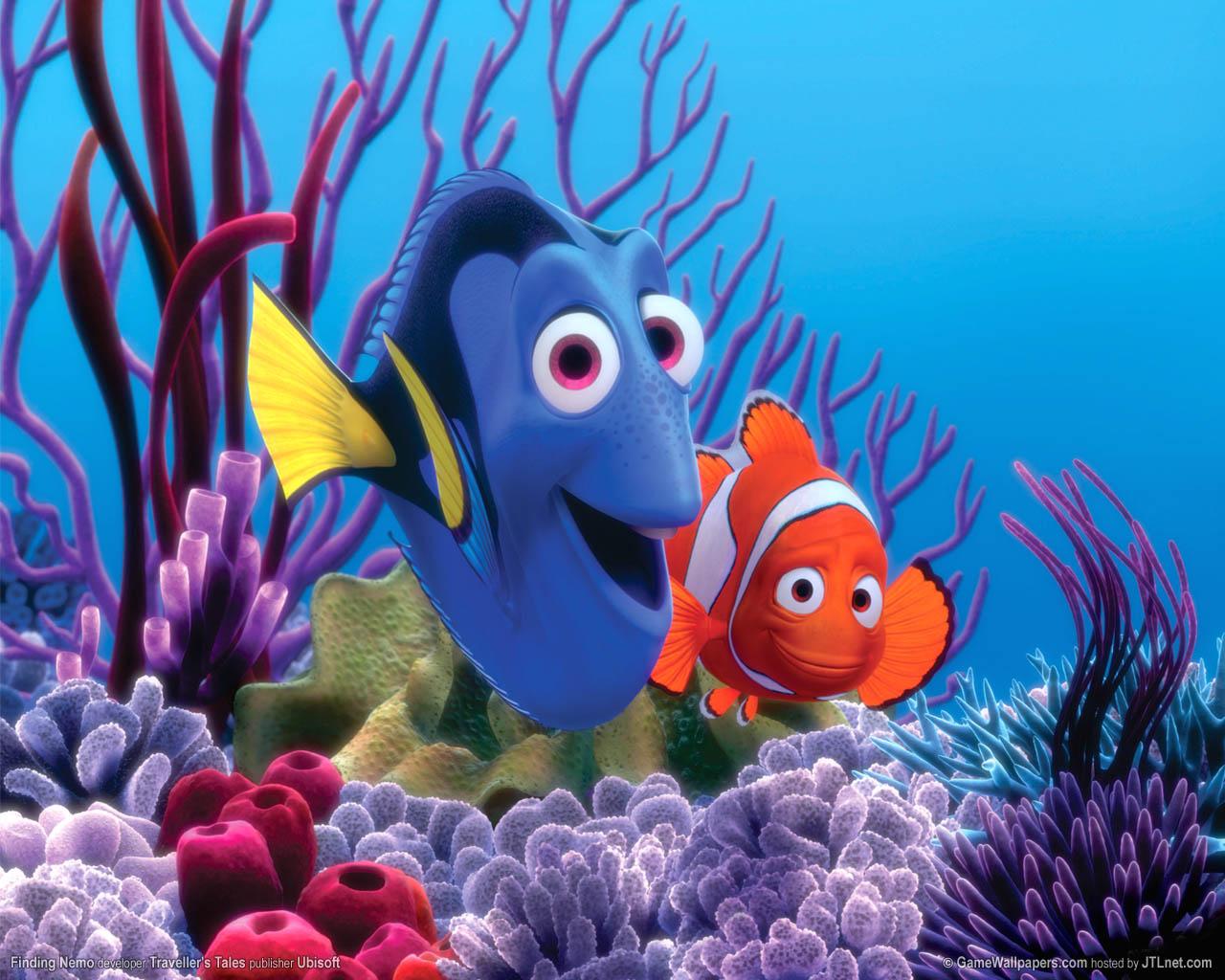
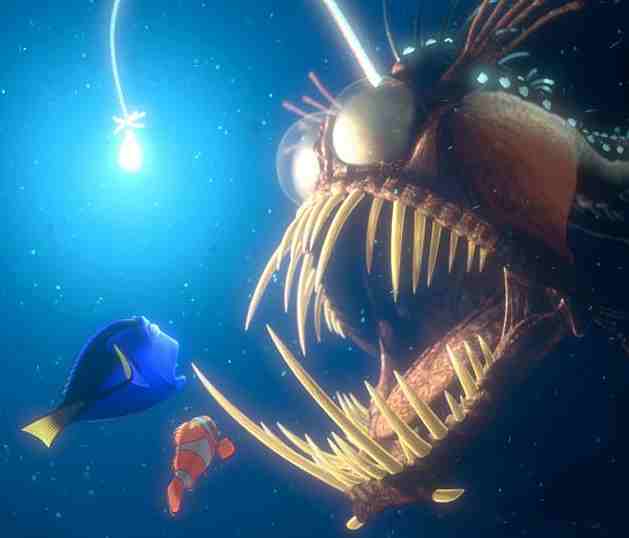
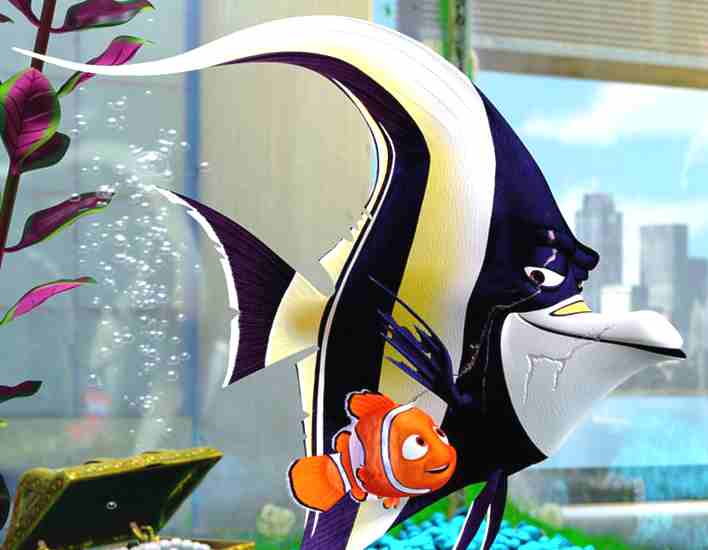
Animation - Finding Nemo
Today i have been looking at the artwork of Finding Nemo, a Disney film created by Pixar Animation Studios. I love the bright colours used by the animators, they really capture the colours found in a reef.. I think the graphic style of the art gives a very soft effect which i feel ephasises the floaty feel of underwater worlds. The way light is used in the pieces, although very subtle gives a great feel of depth... together with the details of debris and murk in the water it creates a very authentic surrounding.


Tuesday, 1 March 2011
Lesley Pyke - 'bowl of fish'
http://www.youtube.com/watch?v=ZGODOEXwxUw


I found this video very interesting as it shows the wide range of tools and attachments Lesley uses to create the different depths and details of the piece. I have only used on type of head attachment so far but I am now inspired to experiment with the other attachments to see what effects I can achieve!
Subscribe to:
Posts (Atom)